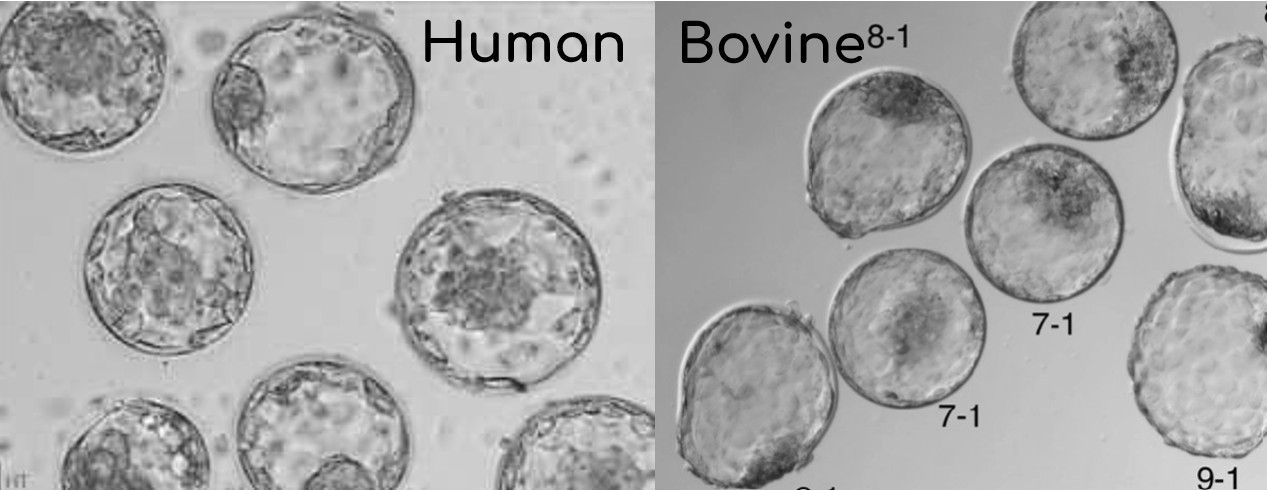
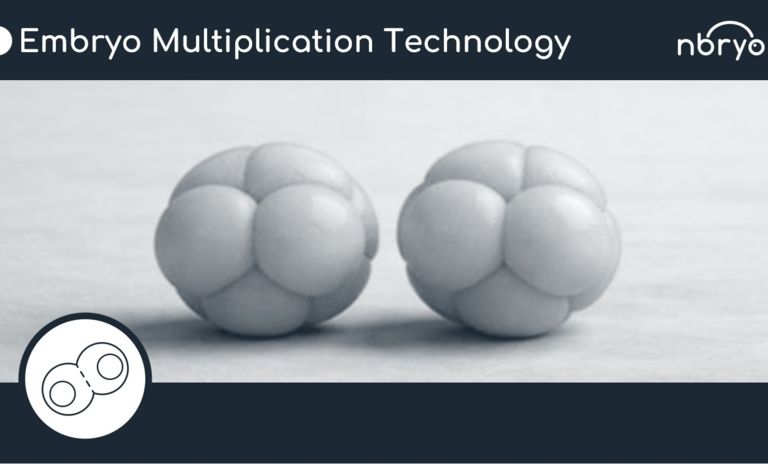
In vitro fertilisation (IVF) has transformed the possibilities of reproduction in both humans and livestock. While most are familiar with the human version of IVF—popularised since the birth of Louise Brown in 1978—the applications of IVF in cattle have quietly but profoundly altered how we breed and manage livestock. These parallel advances in reproductive technology highlight the intersection of science, ethics, and innovation, and underscore the role of pioneering platforms like Nbryo in shaping the future of food production and animal genetics.
Human IVF: From Medical Necessity to Mainstream Choice
Human IVF was originally developed to address infertility in couples who could not conceive naturally. The process involves stimulating the ovaries to produce multiple eggs, retrieving them, fertilising them with sperm in a lab, and implanting the best-quality embryos back into the uterus. With an estimated 8 million babies born via IVF globally, the procedure is now not just a last resort but a proactive choice for many individuals and couples.
Technological advances in human IVF have focused on improving embryo viability, reducing risks of multiple pregnancies, refining genetic screening techniques (e.g., preimplantation genetic testing), and offering cryopreservation options for fertility preservation. Ethical considerations and regulations remain robust, especially around embryo selection, cloning, and gene editing.
Bovine IVF: From Genetic Potential to Production Engine
In the bovine world, IVF isn’t about addressing infertility per se—it’s about accelerating genetic improvement and managing reproduction at a herd or industry level. Cattle IVF enables high-performance cows to produce far more offspring than nature would otherwise allow. Through repeated ovum pick-up (OPU) sessions, elite females can contribute eggs on a weekly basis, which are then fertilised in vitro and implanted into surrogate cows.
Whereas a top cow might have 8–10 natural calves in a lifetime, IVF and embryo transfer (ET) techniques can yield dozens—even hundreds—of offspring from a single animal. This boosts the rate at which desirable traits like milk yield, feed efficiency, disease resistance, and fertility can be multiplied across herds. It also offers a means to preserve and distribute valuable genetics globally, regardless of geography.
Yet bovine IVF is not without its challenges. Embryo viability, fertilisation consistency, and pregnancy rates can all vary significantly based on protocols, lab conditions, and operator skill. That’s where companies like Nbryo are reshaping the playing field.
Nbryo: Reimagining Bovine Reproduction
Nbryo is an Australian-based livestock reproduction platform that integrates advanced IVF technology with on-farm support, data analytics, and reproductive strategy. Its goal is to increase the number of high-performing, low-emission cattle entering the production system—while making IVF more accessible and repeatable for producers.
Unlike human IVF clinics, which treat individuals, Nbryo works at the herd and industry level. Our platform facilitates:
- Routine, scalable embryo production from elite donor cows
- On-farm OPU services using accredited staff and high-throughput protocols
- Integrated data collection that links genetics, fertility, and productivity outcomes
- Selection of genetically superior embryos using genomics and performance indicators
- Support for commercial operations, ensuring IVF fits within broader production goals
A key differentiator is Nbryo’s emphasis on repeatable outcomes. Many cattle producers have experimented with IVF, only to experience inconsistent results. Nbryo addresses this through training, quality assurance, and a systematic approach to embryo development and transfer. By providing an end-to-end solution, Nbryo removes the guesswork and variability often associated with bovine IVF programs.
The Broader Impact: Food Security, Emissions, and Ethics
The convergence of genetics and reproduction is central to the future of sustainable agriculture. By ensuring only genetically valuable animals enter the production chain, Nbryo helps reduce the resource burden per kilogram of milk or meat produced. In this way, IVF is not just a reproductive tool—it’s a lever for emissions reduction, resource efficiency, and food resilience.
On the human side, IVF continues to evolve toward personalisation, non-invasive diagnostics, and greater access. In livestock, the future is about scaling genetic gains responsibly, ethically, and in alignment with environmental goals. As with all biotechnologies, transparency, data integrity, and informed decision-making are critical.
Conclusion
Human and bovine IVF share the same scientific foundation, but their applications, ethics, and goals diverge. For humans, IVF is about personal hope and family-building. For livestock, it’s about accelerating progress, improving efficiency, and reshaping food systems. Companies like Nbryo are at the forefront of this transformation—making high-performance reproduction a routine, repeatable part of modern cattle farming, and ensuring that science drives not just productivity, but sustainability.